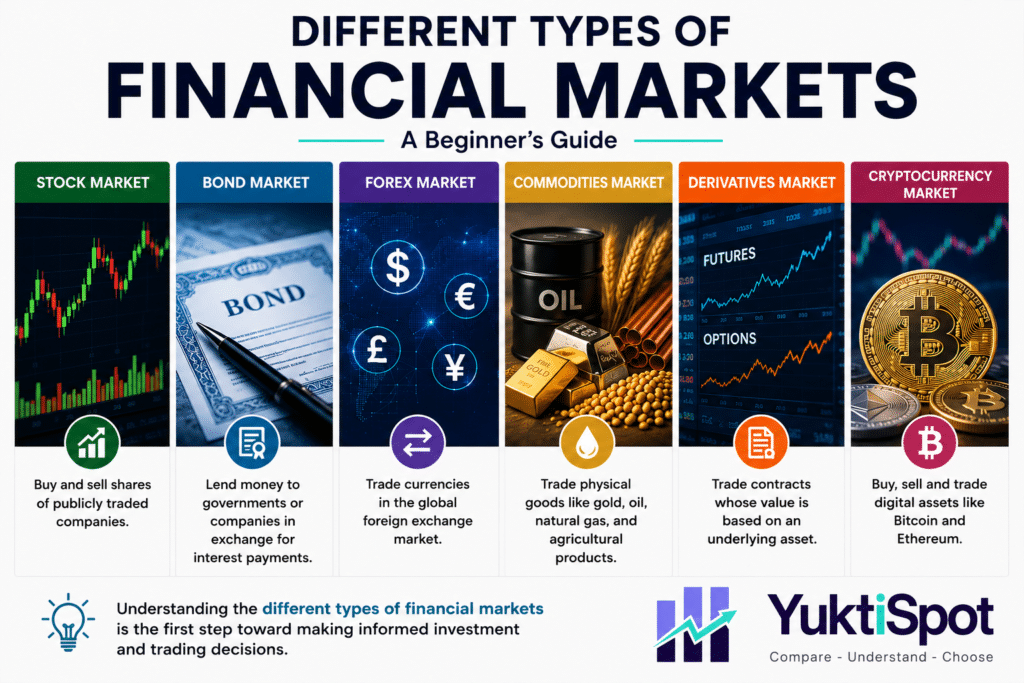

Choosing a Trading Broker is one of the most important decisions every trader will make. Whether you trade Forex, stocks, indices, commodities, or cryptocurrencies, your broker directly affects your trading experience, execution quality, costs, and overall performance.
While many beginners focus exclusively on finding profitable strategies, selecting the right broker is equally important. Even the best trading plan can suffer from poor execution, high spreads, hidden fees, or unreliable platforms.
Understanding what separates a trustworthy broker from a poor one can help you avoid costly mistakes and build a stronger foundation for long-term success.
What Is a Trading Broker?
A Trading Broker is a financial company that provides access to financial markets by executing buy and sell orders on behalf of traders.
Modern brokers typically offer access to:
- Forex
- Stocks
- Commodities
- Indices
- ETFs
- Cryptocurrencies
- CFDs (where permitted)
Most brokers also provide trading platforms, charting tools, educational resources, and customer support.
1. Check Regulation and Licensing
Regulation should always be your first consideration.
A regulated broker must comply with strict financial rules designed to protect client funds and maintain fair trading practices.
Some of the world’s most respected financial regulators include:
- FCA (United Kingdom)
- ASIC (Australia)
- CySEC (Cyprus)
- FINMA (Switzerland)
Always verify a broker’s license directly through the regulator’s official website before opening an account
2. Understand Trading Costs
Every Trading Broker uses a different pricing model, making it essential to compare the total cost of trading rather than focusing only on spreads. Low spreads do not necessarily mean lower trading costs.
Compare:
- spreads
- commissions
- overnight swap fees
- withdrawal fees
- inactivity fees
- currency conversion fees
The cheapest broker is not always the most cost-effective over the long term.
3. Evaluate Trading Platforms
A modern Trading Broker should offer reliable platforms that match your trading style and experience. The trading platform is your primary working environment, but today’s technology goes much further than simple order execution. Choosing a broker that offers modern technology can significantly improve your overall trading experience.
Popular platforms include:
- MetaTrader 4
- MetaTrader 5
- cTrader
- TradingView integrations
- proprietary broker platforms
Many brokers now integrate advanced AI Trading Tools that assist with market analysis, performance tracking, and trade management.
4. Order Execution Matters
Fast and reliable execution can significantly affect trading results.
Pay attention to:
- slippage
- requotes
- execution speed
- market execution quality
- liquidity providers
Execution quality becomes even more important for scalpers and day traders.
5. Protect Your Capital
Choosing a good broker is only part of successful trading.
Developing strong Risk Management in Trading skills helps traders protect their capital regardless of market conditions.
Risk management and broker selection should always work together.
6. Customer Support Is Often Overlooked
Problems occasionally occur.
Reliable brokers provide:
- responsive support
- multiple contact channels
- multilingual assistance
- transparent communication
Testing customer support before funding an account can reveal a great deal about the company’s professionalism.
7. Deposit and Withdrawal Conditions
Always review:
- available payment methods
- withdrawal processing times
- minimum deposits
- minimum withdrawals
- additional banking fees
Fast withdrawals often indicate efficient operational processes.
8. Reputation and Transparency
Finally, research the broker’s reputation.
Look beyond advertising.
Consider:
- years in business
- regulatory history
- transparency
- independent reviews
- client feedback
No broker is perfect, but transparency and consistency are usually good indicators of long-term reliability.
Reading independent reviews and educational resources can also help you better understand how brokers operate and which criteria really matter. Investopedia offers comprehensive guides explaining broker types, trading costs, and key factors to consider before opening an account.
One last word …
Choosing the right Trading Broker is about much more than finding the lowest spreads or the highest leverage.
A reliable broker should combine strong regulation, transparent pricing, high-quality execution, modern technology, and excellent customer support.
By combining a trustworthy broker, effective Risk Management in Trading, and modern AI Trading Tools, traders create a stronger foundation for long-term consistency and better decision-making.